
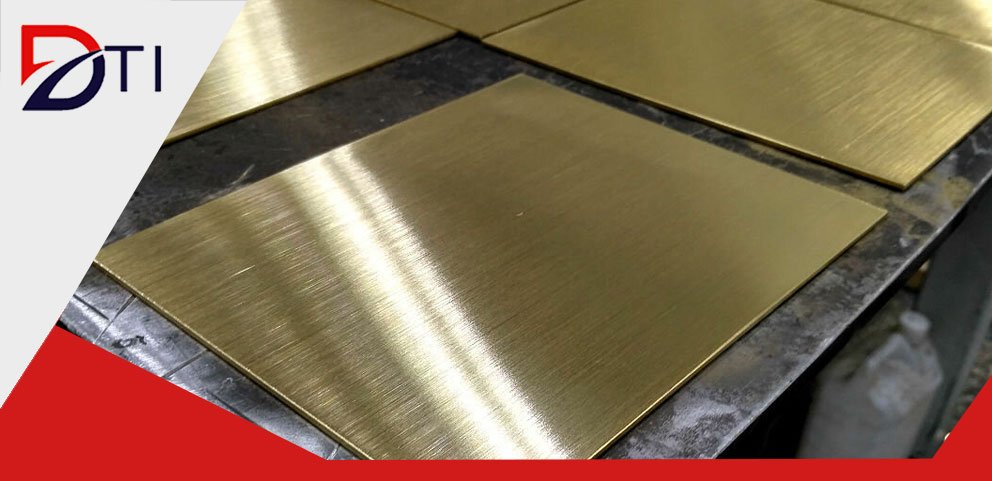
63/37 Brass (UNS C27400) Sheets & Plates to ASTM B36
63/37 brass, also called yellow brass or common brass (UNS C27400), is a copper-zinc alloy with about 63% copper and 37% zinc. The high zinc content gives good strength, while the alloy remains easy to bend, form and machine, which makes it an economical choice for general engineering.
Table of Content
- What is 63/37 Brass Sheets / Plates
- Standard Specification For 63/37 Brass Sheets / Plates
- Types Of 63/37 Brass Sheets / Plates
- Chemical Composition of 63/37 Brass Sheets / Plates
- Mechanical Properties of 63/37 Brass Sheets / Plates
- Available Forms
- Application for 63/37 Brass Sheets / Plates
- Export Destinations for 63/37 Brass Sheets / Plates
Properties and Uses of 63/37 Brass Sheets & Plates
63/37 brass has good corrosion resistance in the atmosphere and in fresh water, good electrical and thermal conductivity, and excellent cold workability.
Where not to use it: 63/37 brass is not recommended for seawater, brackish water or ammonia-bearing service, where it is prone to dezincification and stress-corrosion cracking. For those conditions choose Admiralty brass, aluminium brass or 90/10 cupro-nickel.
Testing, Documentation and Packaging
Every lot of 63/37 Brass sheets & plates is inspected before dispatch. Typical tests include chemical analysis / PMI, tensile and hardness testing, bend testing, ultrasonic testing of plates where required, and checks of thickness and flatness. Third-party inspection can be arranged on request.
Material is supplied with a mill test certificate to EN 10204 3.1, together with the raw-material report and inspection reports. For export orders it is interleaved with protective paper and packed on fumigated wooden pallets or in wooden cases, with a fumigation certificate included.


Chemical Composition
Mechanical Properties
Available Forms
Applications of 63/37 Brass Sheets & Plates